OpenTensile™

Modular mechanical test systems.

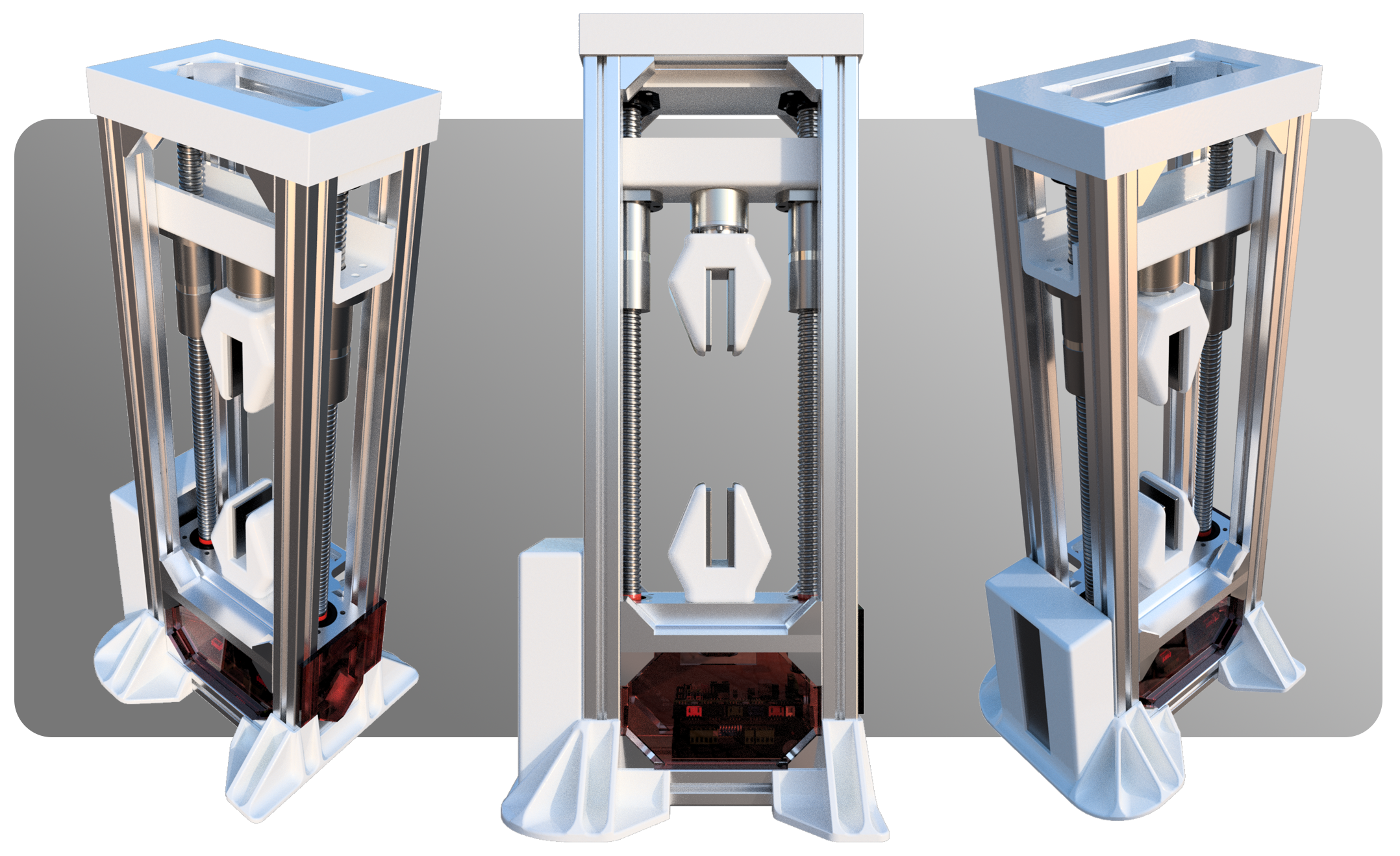
OpenTensile™ is a modular mechanical testing platform for tensile and compression workflows, designed to be configurable, compact, and straightforward to operate. We’re building it for teams who need repeatable testing procedures and clean data capture without the footprint, friction, or cost profile of legacy universal testing machines.

Supported by

Pilot programme places are limited. We prioritise organisations with a clear use-case and near-term testing need.
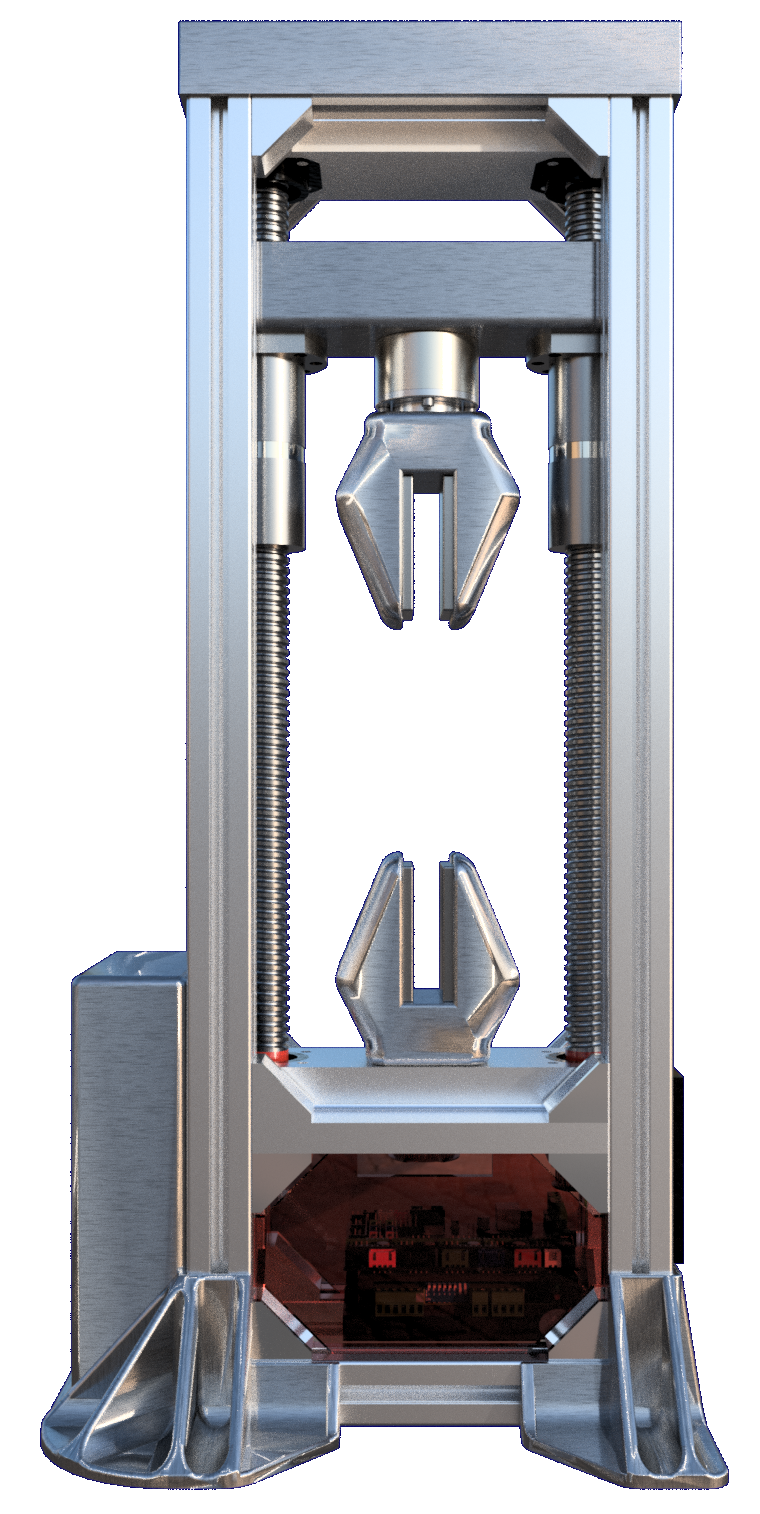
OpenTensile concept render

Technical overview

OpenTensile technical overview

Initial specification targets (indicative)

Availability: Pilot availability targeting Q3 2026.

Validation intent: Calibration and traceability work is planned, with documentation-first validation artefacts produced without over-claiming standards compliance.

  • Load class: ~10 kN (config-dependent)
  • Test modes: tensile / compression / bending / shear
  • Fixtures/grips: modular / interchangeable
  • Control + data: repeatable procedures (“recipes”) + CSV + metadata exports

Configurable hardware

Rig geometry, load path, and fixtures can be reconfigured without a full teardown when specimens change.

  • Modular frame: sized for multiple tensile/compression configurations
  • Interchangeable grips/fixtures: built for varied geometries and gauges
  • Serviceable layout: workshop-friendly instead of “demo-only” rigs
  • Common interface: fixture ecosystem + accessory modules on one spec

Control & data

Deterministic procedures with repeatable control settings, structured outputs, and metadata that survives handover.

  • Reusable “recipes”: lock sequences and operator set-points
  • Structured exports: CSV + metadata (units, sampling, calibration references)
  • Sensor-ready I/O: load, displacement/encoder inputs with expansion planned
  • Traceable workflows: designed without over-claiming standards compliance

How pilots run

Structured engagement mirrors our consulting playbook so scope, deliverables, and change control stay tight.

  • Intro call (30 min): goals, constraints, available data, fit.
  • Scope confirmation: 1–2 page scope in 2 business days (deliverables, inputs, assumptions/exclusions, timeline, fixed price, change control).
  • Kickoff (60 min): data handover, interface check, delivery schedule locked.
  • Phased delivery: weekly written updates on completed, next steps, questions, risks.
  • Review pack: draft for technical review (results, assumptions, limitations, recommendations).
  • Final handover: final report + agreed source files, plus a handover call.

OpenTensile renders

OpenTensile concept render

Get updates

Get updates

Straight updates: build milestones, pilot slots, and change logs you can forward internally.

  • Build progress: hardware and workflow milestones with screenshots, not noise.
  • Pilot availability: timing, prerequisites, and fit notes before slots open.
  • Change log: what changed, why it matters, and links to detail so you can update stakeholders.

No spam. Unsubscribe anytime. Details are stored only to send OpenTensile updates and to follow up if you request a pilot call.

FAQs

FAQs

OpenTensile™ is a modular mechanical testing platform in development at EngineeringPals. The goal is to make tensile and compression testing more configurable and workflow-driven, with clean data capture and practical documentation built in.
Teams who need mechanical testing but don’t want a large, inflexible machine or a painful workflow: SME R&D groups, labs, universities, product teams, and test/validation engineers running varied specimen types.
Initial prototypes are being developed around a practical SME use-case, with a target in the 5–10 kN class depending on configuration. Final ratings will be confirmed through validation and safety work before release.
Primary focus is tensile and compression workflows. Fixture development and roadmap planning also consider common lab needs such as basic bending/fixture variants, subject to pilot demand and validation.
The system is designed around a modular frame/fixture approach: swap grips/fixtures, adjust the setup, and run a defined test procedure without rebuilding the whole machine. The aim is quick changeovers and repeatable setups across operators.
We are building the workflow with calibration and documentation in mind (e.g., calibration notes, setup checklists, test metadata). Formal compliance claims will depend on final validation, documentation, and the specific configuration.
We are currently scoping pilots and validating the core system. Availability will be staged: pilot programme first, then broader release as the hardware, workflow, and documentation mature.
Yes—pilot partners can directly shape fixture priorities, workflow features, and the “definition of done” for early releases. If you have a clear use-case, request a pilot and we’ll scope it.